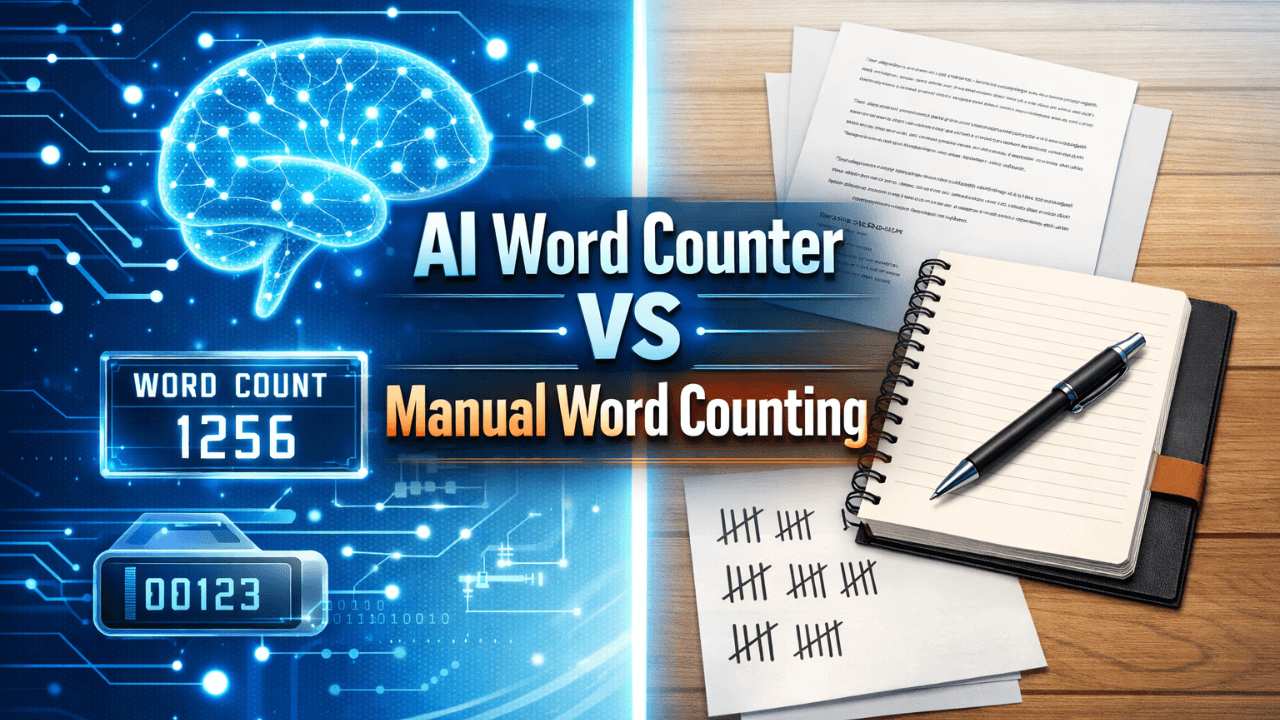
Did you know that the average professional writer produces around 500 to 1,000 words per hour? That’s a decent pace, but imagine if you could speed that up, or at least be certain of your word count without the tediousness of manual counting. In the digital age, where every character and word can matter, from SEO rankings to academic submissions, accurate word counting is no longer a mere formality; it's a crucial element of effective communication. But when faced with the task, do you stick to the tried-and-true method of manual counting, or embrace the silicon-powered efficiency of an AI word counter?
Key Takeaways
Manual Word Counters: Reliable for basic needs, accessible, work offline, but lack advanced features and can be slow for long texts.
AI Word Counters: Offer speed, comprehensive analysis (readability, keywords, etc.), and efficiency, crucial for SEO and professional writing.
Context is Key: Choose your method based on project complexity, specific requirements (like SEO), and available resources.
Integration: AI is increasingly embedded in writing tools, offering a more holistic approach to text analysis.
Best of Both Worlds: Many writers benefit from using both manual and AI tools, depending on the task.
This isn't just a simple preference; it's a strategic decision that can impact your productivity, the accuracy of your work, and even your peace of mind. We'll delve deep into the world of word counting, exploring the strengths and weaknesses of both approaches. By the end of this comprehensive guide, you'll have a clear understanding of which method reigns supreme for your specific needs.
The Allure of the Manual Count: Accuracy by Hand
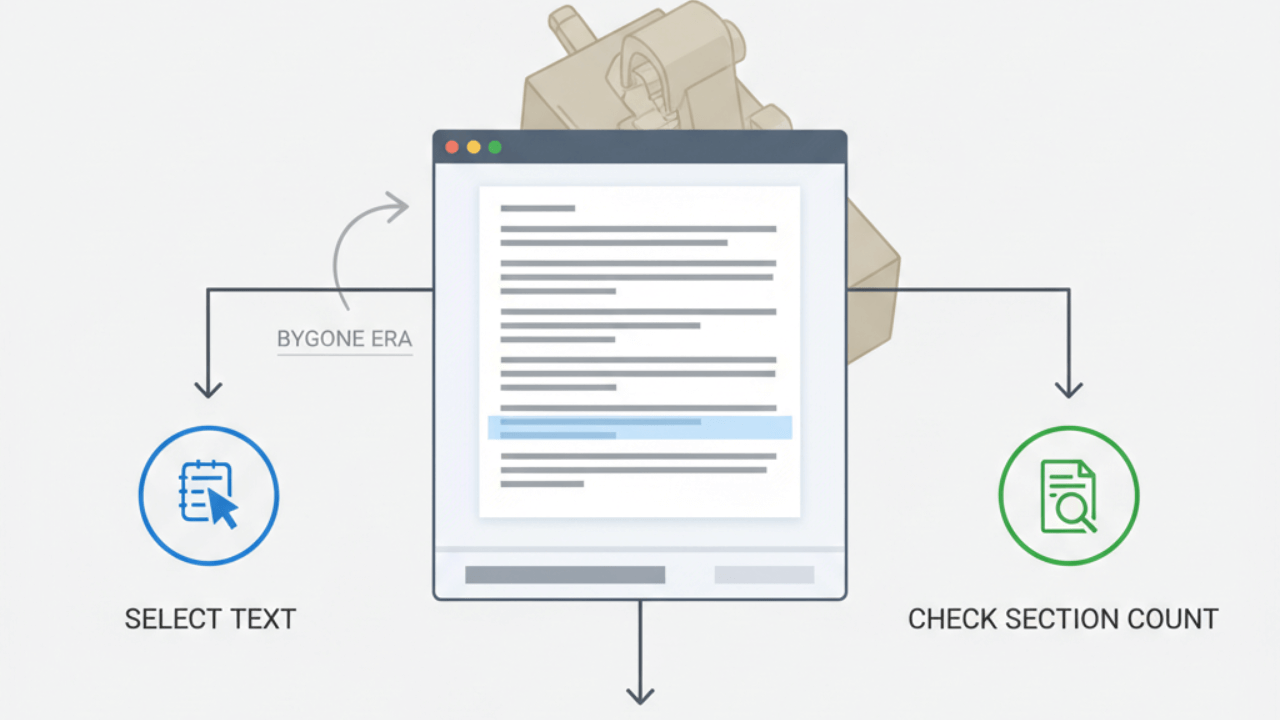
For generations, writers, editors, and students have relied on the manual word count. It’s the method many of us learned in school, painstakingly highlighting text and looking at the word count displayed by our word processing software, or even, in a bygone era, using a physical counter. While seemingly straightforward, this method has its own set of advantages and disadvantages.
How Manual Word Counting Works
Essentially, manual word counting involves using the built-in word count feature of most word processing applications, like Microsoft Word, Google Docs, or Apple Pages. You write your document, and then you typically find the word count displayed in a status bar at the bottom of the screen.
Some users might also manually select sections of text and check the word count for that specific portion. For those who need to be incredibly precise or are working with older systems, it might even involve manually counting words in small chunks and adding them up, a truly labour-intensive process.
The Pros of Manual Word Counting
Ubiquity and Accessibility: Almost every digital writing tool comes with a word count feature. You don't need to download anything extra or subscribe to a service. It's right there, ready to go.
Familiarity and Control: Many writers are accustomed to the manual method. There's a sense of comfort and control in knowing exactly how you arrived at your total. You can easily check specific sections if you're unsure.
Offline Capability: Manual word counting doesn't require an internet connection. If you're working in an environment with spotty Wi-Fi or no connection at all, your trusty word processor's counter will still function.
Basic Accuracy: For standard text, the built-in word counters are generally quite accurate. They follow established algorithms to identify word boundaries.
The Cons of Manual Word Counting
Time-Consuming for Large Documents: If you're working with a lengthy manuscript, a thesis, or a report with hundreds of pages, repeatedly checking the word count can become a tedious distraction.
Limited Functionality: Standard word counters only provide a total word count. They don't offer insights into character counts, sentence lengths, or other stylistic metrics that can be vital for SEO or specific writing guidelines.
Potential for Error (in extreme cases): While rare with modern software, if you're manually highlighting and counting, human error can creep in. Also, complex formatting or unusual characters might sometimes confuse the algorithm, though this is less common now.
Lack of Advanced Analysis: You can't get a breakdown of word frequency, readability scores, or identify repetitive phrasing with a simple manual count.

The Rise of the AI Word Counter: Smarter, Faster, More Insightful
Artificial intelligence has revolutionised countless industries, and writing is no exception. AI word counters are sophisticated tools that go far beyond simply tallying words. They leverage AI algorithms to not only count words but also to analyse text in various ways, offering a suite of features that can significantly enhance a writer's workflow.
How AI Word Counters Work
AI word counters utilise natural language processing (NLP) and machine learning to understand and process text. Instead of just looking for spaces between characters, they can interpret context, identify different types of content, and perform a range of analytical tasks.
Many online tools and applications now incorporate AI-powered features for word counting and text analysis. For example, websites like WordCounterHub.com offer a suite of tools that leverage advanced algorithms to provide comprehensive text analysis beyond just word count.
The Pros of AI Word Counters
Unparalleled Speed and Efficiency: AI can process vast amounts of text almost instantaneously. Whether you have a short paragraph or a lengthy book, the word count is delivered in a fraction of a second.
Comprehensive Analysis: This is where AI truly shines. Beyond word count, AI tools can provide:
Character Count (with and without spaces): Essential for social media posts, SMS messages, and certain online forms. Sentence and Paragraph Count: Helps in understanding the structure and flow of your writing. Readability Scores (e.g., Flesch-Kincaid): Crucial for ensuring your content is accessible to your target audience.
A study by the Nielsen Norman Group found that online readers tend to scan rather than read word-for-word, making readability paramount. Source: Nielsen Norman Group Keyword Density: Vital for SEO to ensure you're not over- or under-optimising. Top Keywords/Phrases: Helps identify recurring themes and opportunities for refinement. Grammar and Spelling Checks: Many AI tools integrate sophisticated proofreading capabilities.
Integration and Accessibility: Many AI word counters are available as web-based tools, browser extensions, or integrated into writing platforms, making them easily accessible from anywhere.
Consistency: AI provides consistent results, eliminating the potential for human error in complex counting tasks.
Time Savings: By automating the counting and analysis process, writers can save significant time, allowing them to focus more on the creative and strategic aspects of writing.
The Cons of AI Word Counters
Dependence on Internet Connection: Most advanced AI tools are cloud-based, meaning you'll need a stable internet connection to use them effectively.
Potential for Misinterpretation (rare): While AI is advanced, it's not perfect. In highly specialised or nuanced texts, there's a small chance of misinterpretation of context, although this is becoming increasingly rare.
Cost: Some of the most sophisticated AI writing and analysis tools come with subscription fees, which might be a barrier for casual users or students on a tight budget.
Learning Curve: While generally user-friendly, some advanced AI tools might have a slight learning curve to fully utilise all their features.
Key Differences: AI Word Counter vs. Manual Word Counting
Let's break down the core distinctions between these two approaches:
When to Choose Which Method?
So, the million-dollar question: which is better? The answer, as is often the case, depends on your specific needs and context.
When a Manual Word Counter Suffices:
Academic Assignments with Simple Word Limits: If you're a student with a 500-word essay due, and the only requirement is to hit that word count, your word processor's built-in counter is perfectly adequate. You can quickly check your progress without needing external tools.
Quick Checks for Short Content: For social media posts, emails, or short blog snippets where you just need a ballpark figure, the manual count is fast enough.
Offline Work: When you're in a situation where internet access is unreliable or unavailable, the manual counter is your go-to.
Budget Constraints: If you're a student or an individual writer on a very tight budget, free built-in tools are the most practical option.
When an AI Word Counter is Essential:
Content Optimisation for SEO: For bloggers, marketers, and website owners, AI word counters are invaluable. They provide keyword density analysis, readability scores, and other metrics critical for search engine rankings. According to HubSpot, content that is easy to read and understand performs better in search results. Source: HubSpot
Professional Writing and Editing: Editors, publishers, and professional writers often need more than just a word count. They need to ensure content meets specific length requirements, maintains a certain readability level, and is free of repetitive phrasing. AI tools provide this comprehensive analysis.
Large-Scale Projects: For authors working on novels, researchers writing dissertations, or businesses creating extensive reports, the speed and analytical capabilities of AI tools save immense amounts of time and effort.
Understanding Audience Engagement: Readability scores provided by AI tools help writers tailor their content to their target audience, ensuring it's easily digestible and engaging. This is crucial for effective communication.
Meeting Strict Guidelines: Many publications, academic journals, and platforms have very specific guidelines regarding word count, sentence structure, and overall tone. AI tools can help writers meticulously adhere to these requirements.
Improving Writing Quality: By providing insights into sentence length variation, complex vocabulary usage, and potential grammatical errors, AI tools can act as a powerful writing coach, helping you refine your prose.
The Future of Word Counting: AI Integration
The trend is clear: AI is becoming increasingly integrated into our writing tools. We're moving beyond simple word counts to sophisticated text analysis that aids in creating better, more effective content. Many modern writing assistants and content management systems already incorporate AI-powered features. For instance, tools like Grammarly, while primarily known for grammar checking, also offer insights into sentence structure and conciseness, which are directly related to word usage and readability.
As AI technology continues to advance, we can expect even more sophisticated features, such as AI that can automatically suggest rephrasing to meet word count targets or improve readability based on predefined audience profiles. The line between a simple "word counter" and a comprehensive "writing analysis tool" is blurring rapidly, with AI at the forefront.
Conclusion: Embracing the Best of Both Worlds
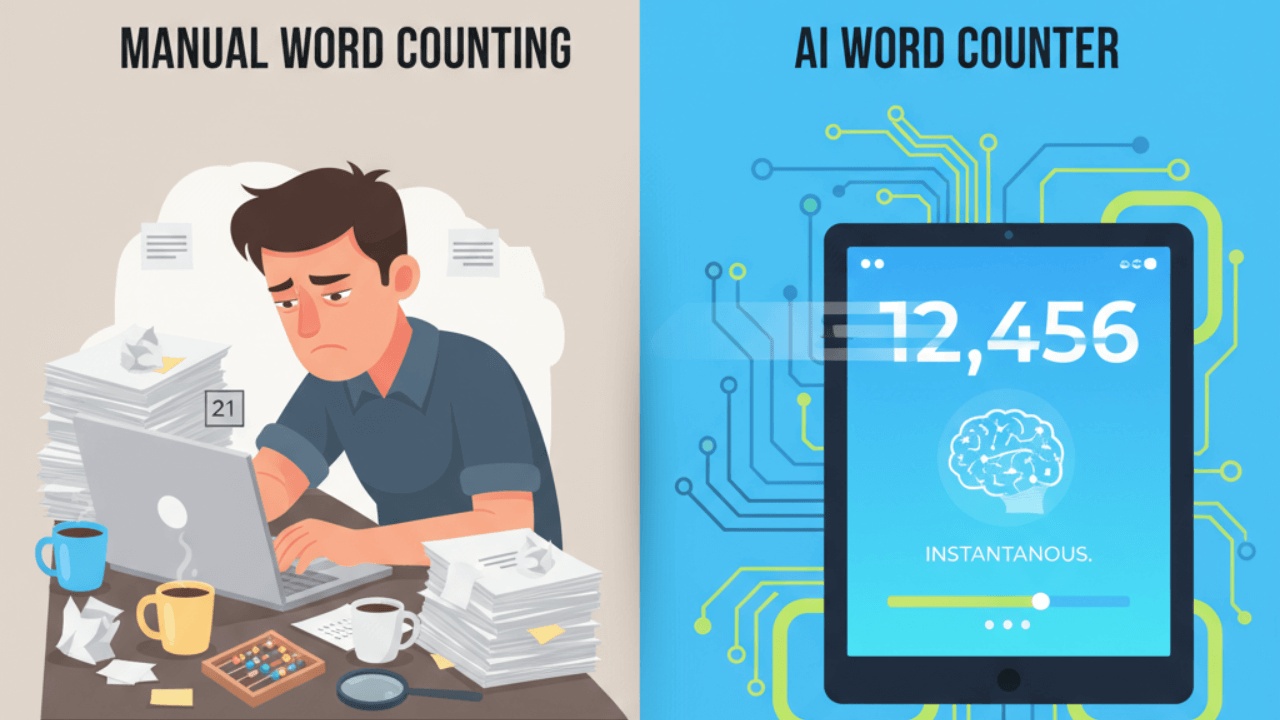
Ultimately, the debate between AI word counters and manual word counting isn't about one being inherently "better" than the other in all situations. Instead, it's about understanding their respective strengths and choosing the right tool for the job.
For quick, basic needs and offline scenarios, the manual word counter built into your word processor remains a reliable and accessible option. It’s the trusty hammer in your toolbox, simple, effective, and always there when you need it.
However, for anyone serious about optimising their content, improving writing quality, understanding their audience, and maximising efficiency, especially in professional or academic settings, the AI word counter offers a level of insight and speed that is simply unmatched. It's the advanced multi-tool, equipped with a suite of capabilities that can transform your writing process.
Many writers find the most effective approach is to leverage both. Use your word processor's built-in counter for quick checks, and then turn to a more advanced AI tool for in-depth analysis when the situation demands it. Websites like WordCounterHub.com provide a fantastic starting point for exploring these advanced functionalities, offering a range of free tools that can significantly enhance your writing workflow.
By understanding the nuances of each method, you can make an informed decision that empowers you to write more efficiently, accurately, and effectively, no matter the task at hand.
Frequently Asked Questions (FAQs)
1. Can AI word counters make mistakes?
While AI word counters are incredibly accurate, they are not infallible. Extremely complex or unconventional text formatting, rare linguistic nuances, or highly specialised jargon might occasionally lead to minor discrepancies. However, for the vast majority of standard writing, AI counters are highly reliable and significantly more consistent than manual counting.
2. Are free AI word counters as good as paid ones?
Many free AI word counters offer excellent functionality, especially for basic word and character counting, and even some readability metrics. For instance, WordCounterHub.com provides a robust set of free tools. Paid versions often offer more advanced features, deeper analysis, API access, or integration with other platforms, which can be beneficial for professional users or businesses.
3. How does an AI word counter help with SEO?
AI word counters aid in SEO by providing data such as keyword density, readability scores, and the frequency of key terms. This helps writers ensure their content is not only found by search engines but also easily understood and engaging for human readers, which are key factors in modern SEO strategies.
4. Is it necessary to use an AI word counter for academic essays?
For most academic essays, the built-in word counter in your word processor is sufficient to meet basic word count requirements. However, if your assignment also focuses on readability, conciseness, or adherence to specific stylistic guidelines, an AI word counter can provide valuable insights to improve your essay's quality.
5. How do I choose the best AI word counter for my needs?
Consider what features are most important to you. If you primarily need word and character counts, many free online tools will suffice. If you need in-depth SEO analysis, readability scores, or grammar checks, look for tools that specialise in those areas. Reading reviews and trying out free versions can help you find the best fit.
6. Can AI word counters count words in different languages?
Yes, most modern AI word counters are designed to handle multiple languages. They use language-specific algorithms and dictionaries to count words and analyse text in various tongues accurately. However, it's always a good idea to check the specific language support offered by the tool you choose.
External Resources
Nielsen Norman Group: A leading authority on user experience research, offering insights into how people read online. https://www.nngroup.com/
HubSpot Blog: Provides extensive resources on content marketing, SEO, and writing best practices. https://blog.hubspot.com/
Google AI Blog: Offers insights into the latest advancements in artificial intelligence, including Natural Language Processing. https://ai.googleblog.com/